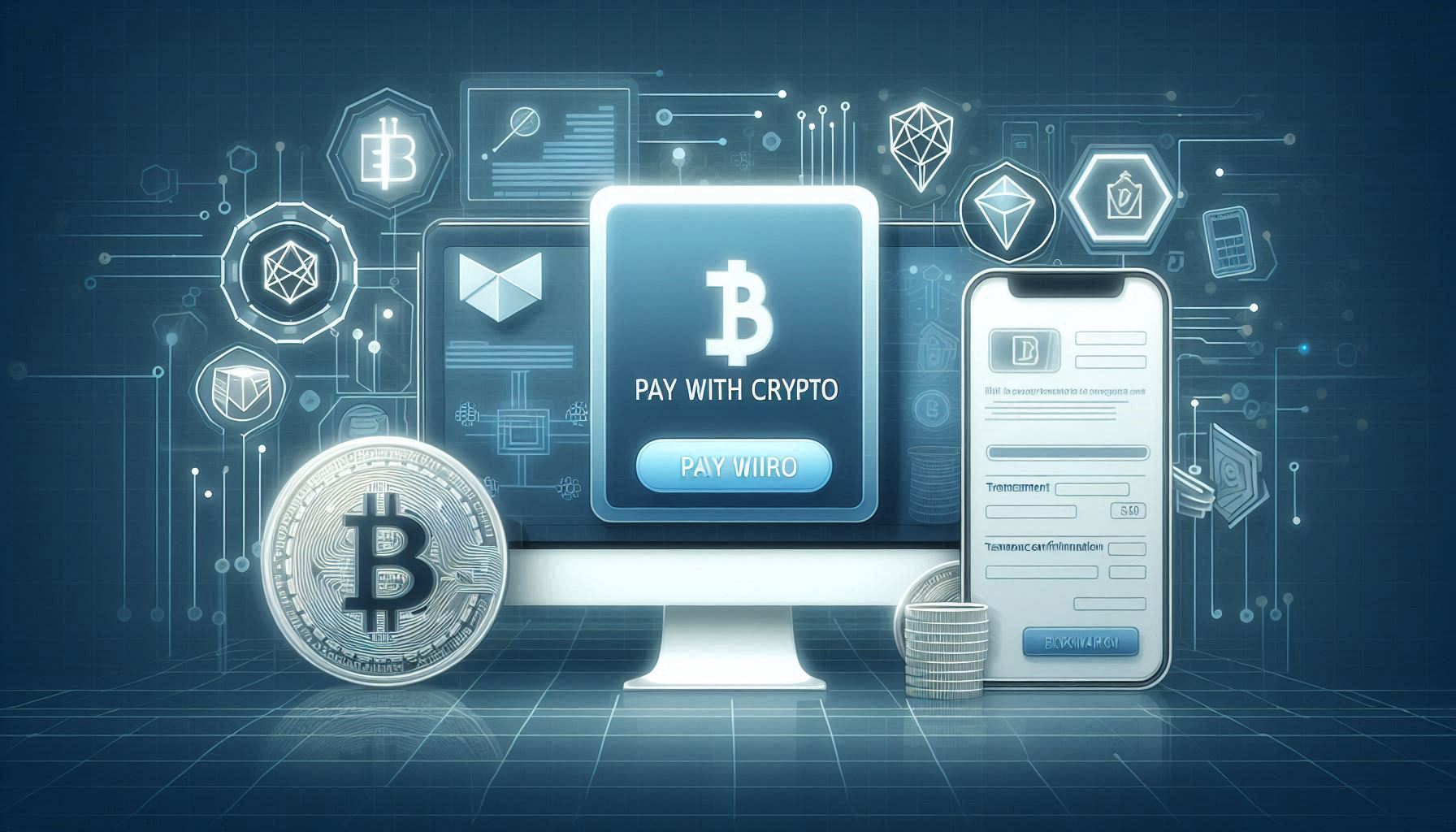
Cryptocurrency Payment Processing: How It Works and Why Businesses Are Paying Attention
News
In recent years, cryptocurrency payment processing has shifted from a niche concept to a practical financial tool used across industries. While digital assets were once viewed primarily as speculative investments, they are now becoming an alternative way for customers and companies to exchange value. Understanding how this payment model works—and why it is gaining traction—can help businesses evaluate whether it fits their broader financial strategy.
What Is Cryptocurrency Payment Processing?
Cryptocurrency payment processing refers to the systems and technologies that allow merchants to accept digital currencies as payment for goods or services. Instead of relying on traditional banks or card networks, these transactions are recorded on blockchain networks. This structure enables direct, peer-to-peer value transfers with reduced dependence on intermediaries.
To make this possible, merchants usually integrate with a payment gateway that automatically handles the acceptance, conversion, and settlement of crypto payments. Reliable solutions such as cryptocurrency payment processing platforms can convert digital assets into fiat currencies, manage digital wallets, and ensure compliance with global anti-fraud and security standards.
How Crypto Payments Work Behind the Scenes
When a customer chooses to pay in cryptocurrency, the transaction follows a sequence of steps:
-
Initiation: The checkout system displays a QR code or wallet address for the chosen cryptocurrency.
-
Authorization: The customer sends the payment from their digital wallet.
-
Verification: The blockchain validates the transaction, ensuring authenticity and preventing double-spending.
-
Settlement: The payment processor confirms receipt and, if configured, converts the funds into the merchant’s preferred currency.
-
Reconciliation: The merchant receives a settlement report that can be integrated with accounting systems.
This process typically takes seconds to minutes, depending on the blockchain network and fee structure.
Why Businesses Are Exploring Crypto Payments
Several factors contribute to the rising interest in crypto-based payments:
-
Global Reach: Cryptocurrency is borderless, enabling merchants to reach international customers without cross-border banking restrictions.
-
Lower Transaction Costs: Processing fees can be more competitive compared to card networks, especially for high-value or international transactions.
-
Speed and Efficiency: Blockchain settlements can bypass lengthy banking processes, offering quicker access to funds.
-
Customer Demand: A growing number of consumers prefer using digital assets for privacy, convenience, or investment-related reasons.
-
Risk Management: Automatic conversion features help merchants avoid the volatility often associated with cryptocurrencies.
Challenges and Considerations
Despite its advantages, cryptocurrency payment processing is not without its complexities. Merchants must consider regulatory compliance, tax implications, and the need for secure wallet management. However, modern payment platforms increasingly offer turnkey solutions that simplify these elements and provide enterprise-grade security.
The Future of Crypto Payments
As blockchain technology becomes more mature and regulatory frameworks clearer, the adoption of cryptocurrency payments is expected to rise. For businesses, staying informed about these developments can be an important part of preparing for a more digital and globally connected financial landscape.